Interstitial Cystitis vs. UTI: How Greensboro Urologists Tell the Difference for Bladder Pain Treatment
Many residents in Greensboro, NC, struggle to tell interstitial cystitis (IC) apart from a urinary tract infection (UTI), and getting the right bladder pain treatment starts with knowing which condition is actually causing symptoms. These two conditions feel nearly identical but have very different causes and require completely different care plans.
Why IC and UTIs Feel So Much Alike
Both conditions share a frustrating set of symptoms: burning, urgency, pelvic pressure, and frequent trips to the bathroom. That overlap is exactly why so many people go undiagnosed or get treated for the wrong condition.
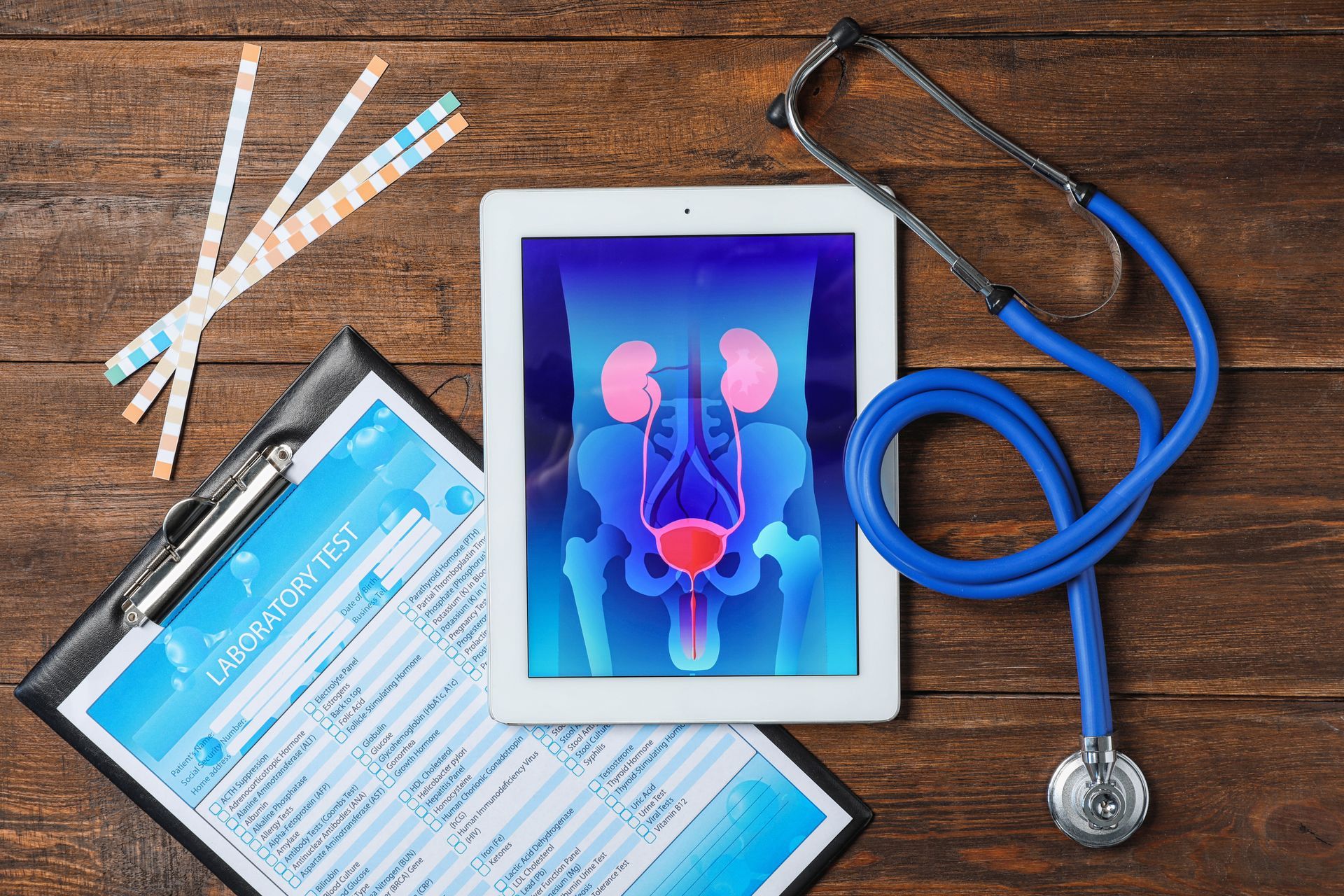
A UTI is caused by bacteria and usually shows up on a urine culture. Interstitial cystitis (also called bladder pain syndrome) involves an irritated, hypersensitive bladder with no infection, so cultures return clear and antibiotics do not help. That single fact is the most important difference between the two.
Up to 60% of women with IC have no bacterial infection. Without clear lab results, doctors may prescribe repeated antibiotic courses "just in case," delaying the correct diagnosis. If antibiotics are not working, it may be time to see a specialist who can evaluate you for appropriate bladder pain treatment.
Symptom Comparison at a Glance
| Feature | UTI | Interstitial Cystitis |
|---|---|---|
| Cause | Bacterial infection | Chronic bladder inflammation, no infection |
| Onset | Sudden | Gradual or ongoing |
| Response to antibiotics | Usually resolves quickly | No improvement |
| Pain pattern | Burning during urination | Constant pain, worsening as bladder fills and easing after voiding |
| Fever | Possible | Absent |
| Duration | Days to weeks | Months to years |
A UTI typically starts suddenly with burning urination and sometimes lower abdominal or back pain. IC symptoms include chronic bladder pain, pressure, and urinary frequency that often worsen over time.
How Urologists Diagnose Each Condition
- Urinalysis and urine culture. This is the first and most telling step. A UTI produces signs of bacteria in the urine; IC does not.
- Medical history and symptom review. The urologist will ask how long symptoms have been present, whether antibiotics have helped before, and whether certain foods or stress make things worse.
- Cystoscopy. Diagnosis often requires ruling out other conditions, including UTIs and sexually transmitted infections. A cystoscopy allows the urologist to look directly inside the bladder for signs of inflammation or lesions that point to IC.
- The six-week rule. If urine tests are repeatedly negative but symptoms persist beyond six weeks, IC must be considered. This widely used clinical benchmark guides urologists toward an IC evaluation and the appropriate bladder pain treatment plan.
Treatment Paths Diverge Completely
Once a diagnosis is confirmed, bladder pain treatment in Greensboro, NC, looks very different depending on which condition is present.
- For a UTI: Because bacteria cause most UTIs, antibiotics can typically clear the infection. Most people feel better within a few days.
- For IC:
Unlike a UTI, IC does not resolve with antibiotics. Certain foods, beverages, stress, hormonal changes, or physical activity may trigger a flare. Management may include dietary changes, bladder-calming medications, pelvic floor therapy, or in-office procedures. Learn more on the
interstitial cystitis treatment page.
When Should You See a Urologist Serving Greensboro?
See a urologist if:
▸ Symptoms persist after completing a full course of antibiotics.
▸ You have had three or more UTIs in the past year.
▸ You have chronic pelvic pain, bladder pressure, or urinary urgency for more than six weeks without a clear diagnosis.
▸ Pain worsens when your bladder fills and eases after you empty it.
▸ No bacteria appear on repeated urine tests.
Can IC Be Mistaken for a UTI by a Regular Doctor?
Yes. Both produce urgency, frequency, and pelvic pain, which is why IC is frequently mistaken for recurrent UTI. A urologist who specializes in bladder conditions is better positioned to run the right tests and make a precise diagnosis.
Does IC Go Away on Its Own?
IC is a chronic condition and typically does not resolve without targeted care. Symptoms persist for months or years, with periods of worsening and partial relief. Working with a urologist allows you to find a management plan that reduces flares and improves daily comfort.
What Happens if IC Is Treated as a UTI?
Antibiotics will not cure IC. Continuing to treat IC as a UTI leads to repeated antibiotic courses that provide no relief and may cause additional health problems over time.
Take the Next Step Toward Real Relief
Bladder pain does not have to be a mystery. Medical Center Urology, serving Greensboro, NC, and the surrounding Piedmont Triad area, offers personalized bladder pain treatment to help you find answers quickly. Getting an accurate diagnosis is the first step toward lasting comfort.
Call the practice at (336) 882-0220 to schedule your appointment. You can also contact the team online or explore your bladder pain treatment options to learn what care may look like for your situation. Find Medical Center Urology on Google Maps.