Understanding the Options for Bladder Pain Treatment Patients Can Trust
Living with ongoing discomfort in your lower abdomen or pelvis is not something anyone should have to accept as normal. If you have been dealing with a constant urge to urinate, pelvic pressure, or unexplained aching that disrupts your daily life, you are not alone. Effective bladder pain treatment in Greensboro, NC, is available, and the experienced team at Medical Center Urology PA is here to help you find real relief.
What Is Bladder Pain and How Does It Affect Daily Life?
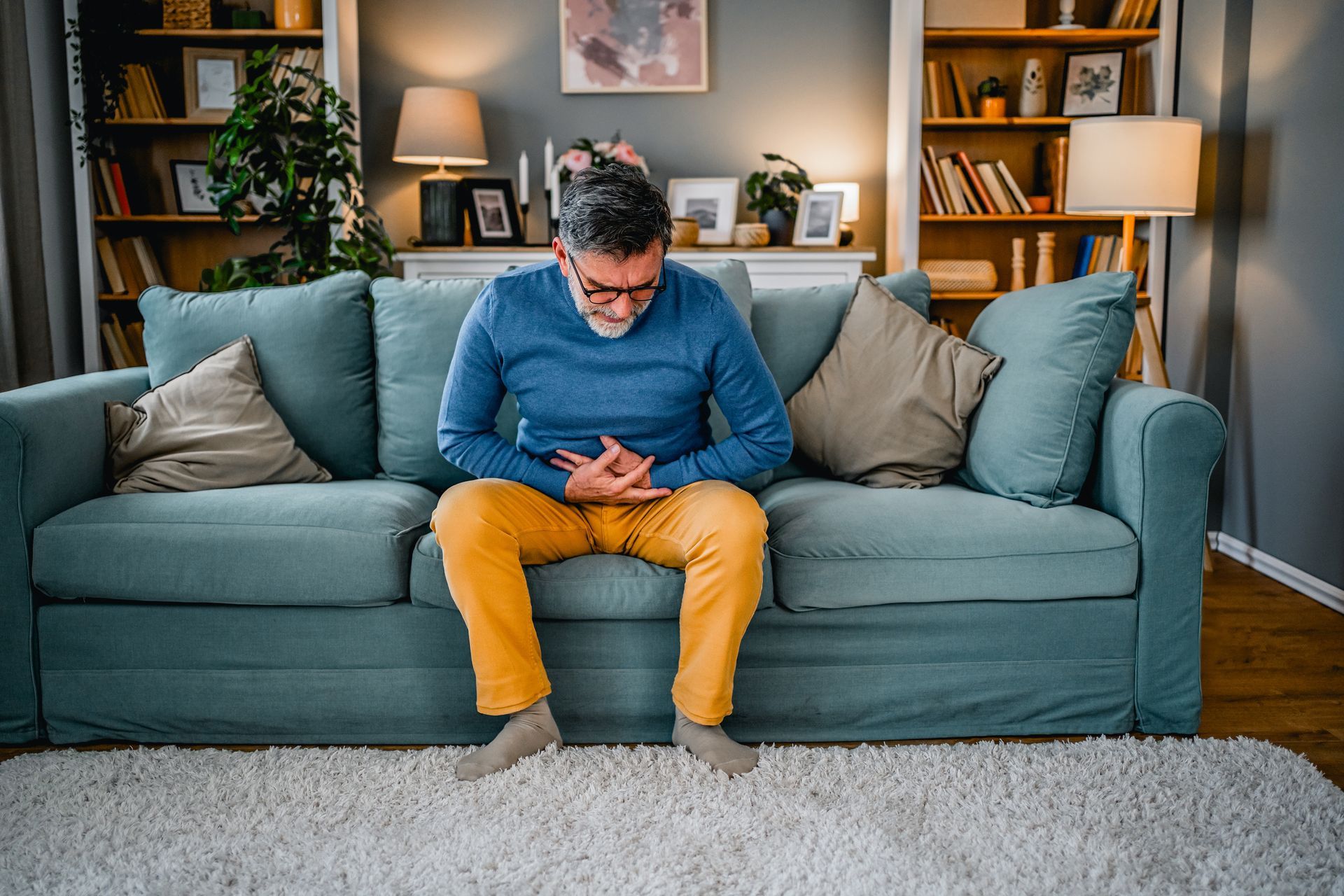
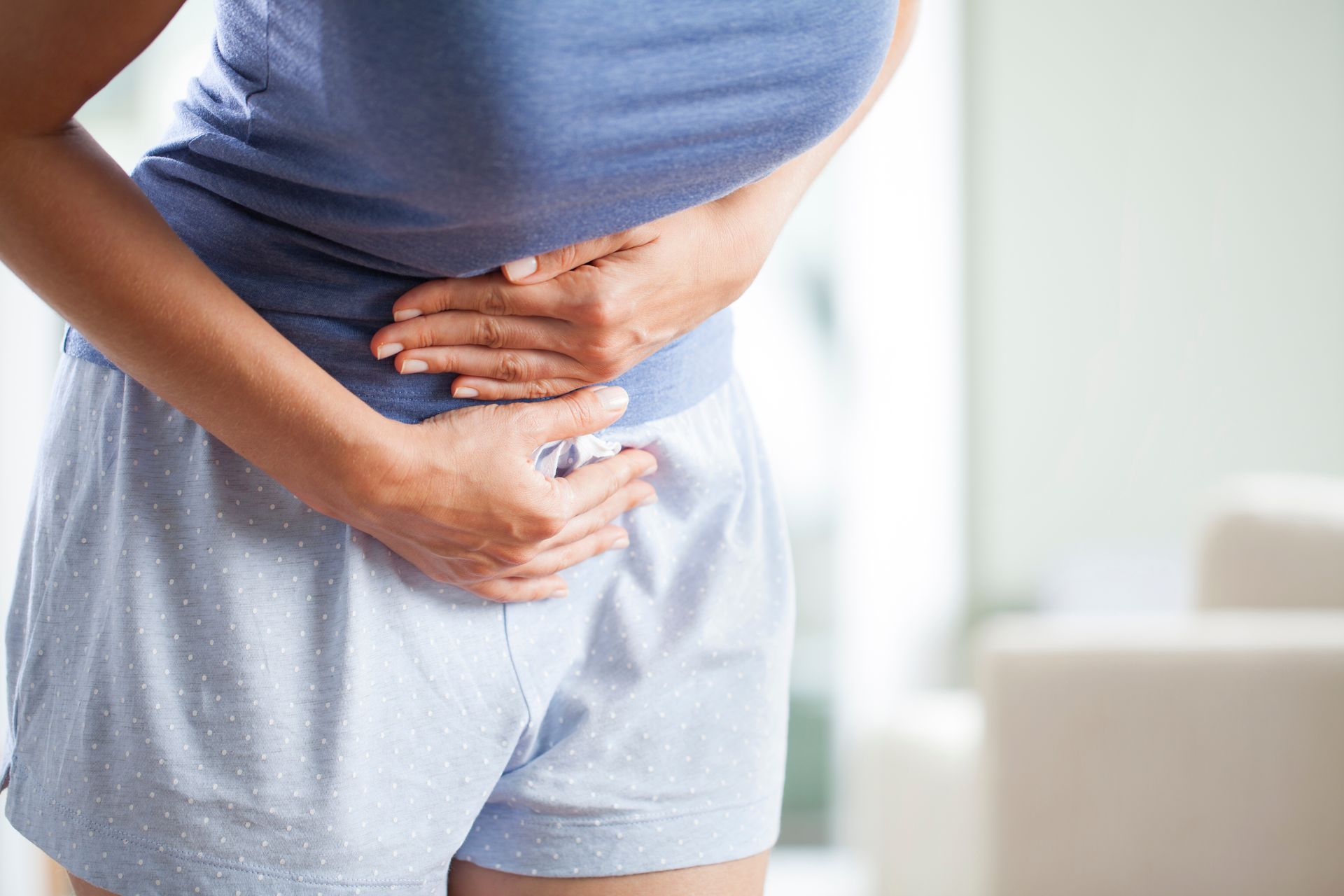
Bladder pain is more than just physical discomfort. It can affect your ability to sleep, concentrate at work, enjoy activities, and maintain relationships. The pain often shows up as pressure in the pelvis, a burning sensation when you urinate, or a persistent urge to go even when your bladder is nearly empty.
For many people, the symptoms come and go without warning. Some experience mild irritation, while others deal with discomfort that feels truly disabling. The constant interruptions to daily routine, from frequent bathroom visits to disrupted sleep, can take a serious toll on your quality of life.
Bladder pain is not just an inconvenience. It is a medical issue that deserves proper attention from a qualified urology specialist.
Common Causes of Bladder Pain Patients May Experience
Understanding what is causing your symptoms is the first step toward feeling better. There are several conditions that can lead to ongoing urinary or pelvic discomfort:
- Interstitial Cystitis (IC): Also called bladder pain syndrome, IC is a chronic condition that causes the bladder walls to become irritated or inflamed. It has no single known cause, but it can be managed with the right care plan.
- Urinary Tract Infections (UTIs): Bacterial infections can inflame the bladder lining and cause burning, urgency, and pain. Most UTIs respond well to antibiotic treatment, but recurring infections may signal a deeper issue.
- Bladder Stones: Mineral deposits can form in the bladder and cause pain, difficulty urinating, and irritation. These often require medical intervention to resolve.
- Bladder Inflammation (Cystitis): This can be triggered by certain foods, dehydration, or other irritants that aggravate the bladder lining.
- Pelvic Floor Dysfunction: Tight or overactive pelvic floor muscles can create significant pressure and discomfort around the bladder.
Some patients find that certain foods, drinks, or lifestyle habits make their symptoms flare up. Keeping a symptom journal can help your doctor identify patterns and narrow down the cause.
How Urology Specialists Diagnose the Source of Bladder Pain
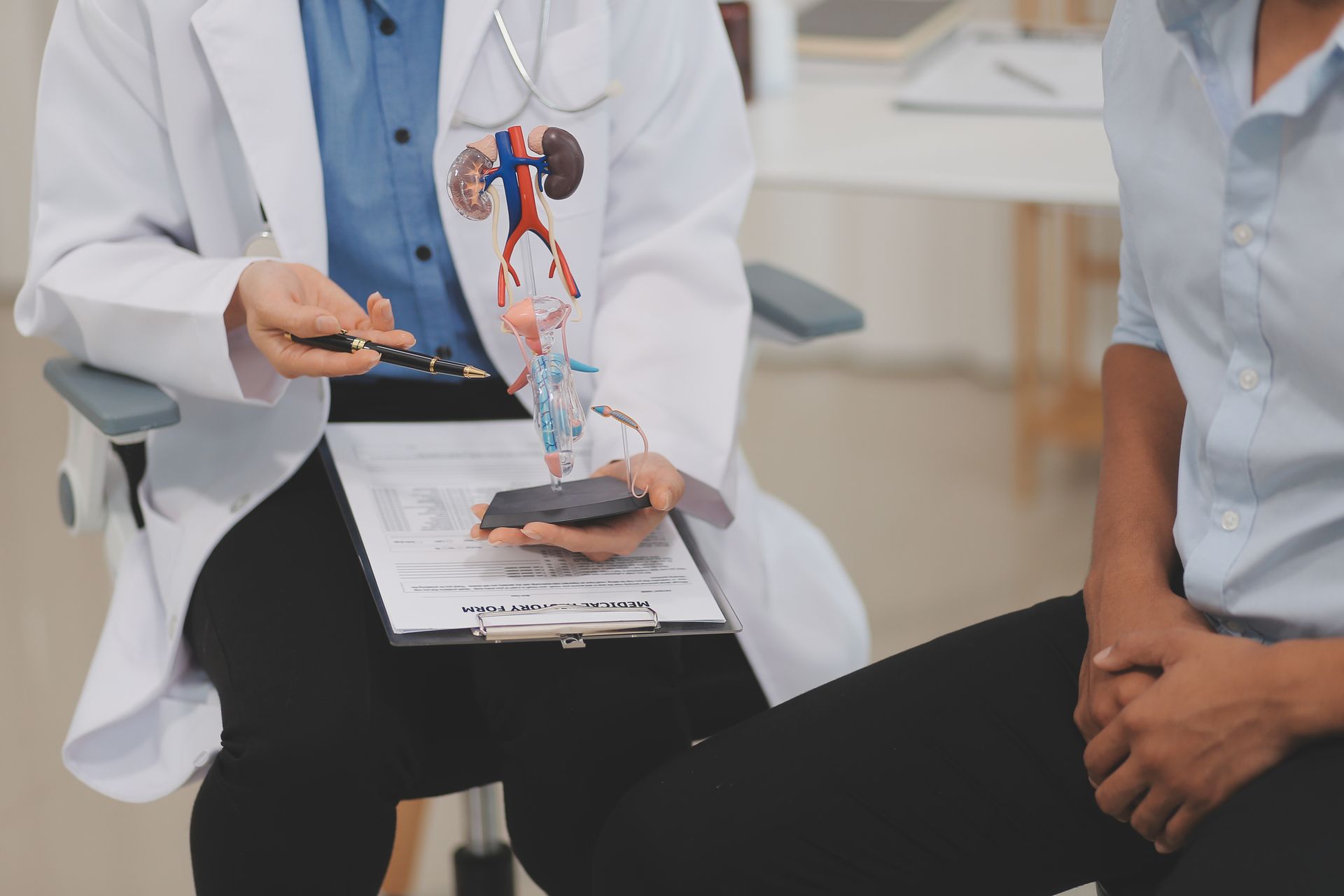
Getting a proper diagnosis is essential. Many conditions that cause bladder pain share similar symptoms, which makes it easy to mistake one for another. A urology specialist will use several tools to find out what is really going on:
- Medical History Review: Your doctor will ask detailed questions about your symptoms, how long you have had them, what makes them worse, and any related health conditions. Being thorough and honest during this step helps your care team work faster and more accurately.
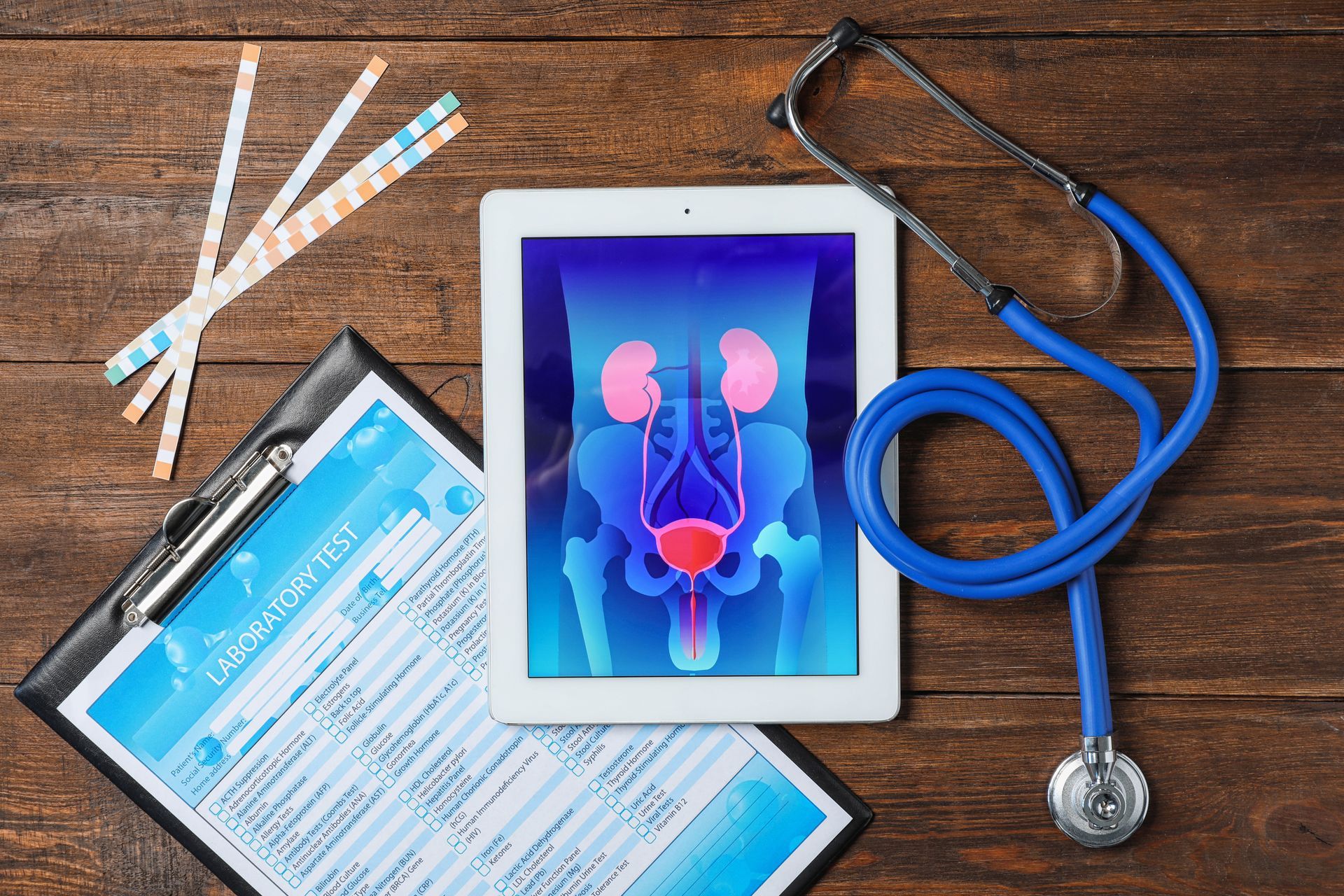
- Urine Tests: A urinalysis and urine culture can check for signs of infection, blood, or other abnormalities. Sometimes a urine culture is necessary even when basic tests come back normal.
- Cystoscopy: This procedure uses a thin, lighted scope to look inside the bladder. It can reveal inflammation, lesions, or other structural changes that point toward a specific diagnosis.
- Bladder Distension: In some cases, your doctor may stretch the bladder with water to evaluate its capacity and check for signs of interstitial cystitis. This procedure can sometimes also provide temporary symptom relief.
- Imaging and Additional Tests: Depending on your symptoms, ultrasound or other imaging may be used to rule out kidney stones, tumors, or structural abnormalities.
A thorough diagnostic process is key to designing a bladder pain treatment plan that actually works.
Available Bladder Pain Treatment Options
There is no one-size-fits-all approach to treating bladder pain. The right plan depends entirely on what is causing your symptoms.
Here is a look at the most common categories of care:
Lifestyle and Dietary Changes
Simple adjustments can make a meaningful difference for many patients. Avoiding trigger foods and beverages, such as caffeine, alcohol, and highly acidic items, may reduce the frequency of flare-ups. Staying well-hydrated is also important, since concentrated urine can irritate an already sensitive bladder lining. Your urologist may recommend keeping a food and symptom diary to track what makes things better or worse.
Oral Medications
Several medications are used to manage bladder discomfort. These include anti-inflammatory drugs to ease pain, medications that help relax the bladder, and antihistamines that can reduce urgency. For interstitial cystitis specifically, a medication called pentosan polysulfate sodium has been approved by the FDA and may help restore the bladder's protective inner lining over time.
Pelvic Floor Physical Therapy
For patients whose pain involves tight or dysfunctional pelvic floor muscles, physical therapy can be highly effective. A trained therapist works to release tension, retrain muscle patterns, and reduce pain levels through targeted exercises and manual techniques.
Bladder Instillations
This treatment involves placing a liquid medication directly into the bladder through a small catheter. The solution is held for a short time and then released. Bladder instillations can help reduce inflammation and ease symptoms, especially for interstitial cystitis patients.
Nerve Stimulation Therapy
Electrical nerve stimulators, also called neuromodulators, send mild pulses to the nerves that control bladder function. This can help reduce pain and urgency for patients who have not responded well to other approaches.
Bladder Stretching (Hydrodistension)
Some patients experience relief after the bladder is gently stretched with water under anesthesia. The procedure can increase bladder capacity and may also interfere with some of the pain signals in the bladder wall.
Why Choose Medical Center Urology PA for Bladder Pain Treatment
When it comes to your urological health, you want a provider who listens, explains clearly, and has the experience to back up their care. Medical Center Urology PA, led by board-certified surgeon Dr. Puschinsky, has been serving the Piedmont Triad region since 1990. The practice is known for open communication, honest guidance, and a genuine commitment to patient well-being.
The team at Medical Center Urology understands that bladder conditions can feel embarrassing or frustrating to talk about. That is why they work hard to make every visit feel respectful, stress-free, and productive. They accept most insurance plans and also offer payment plan options, so financial concerns do not have to stand in the way of your health.
Take the First Step Toward Real Relief
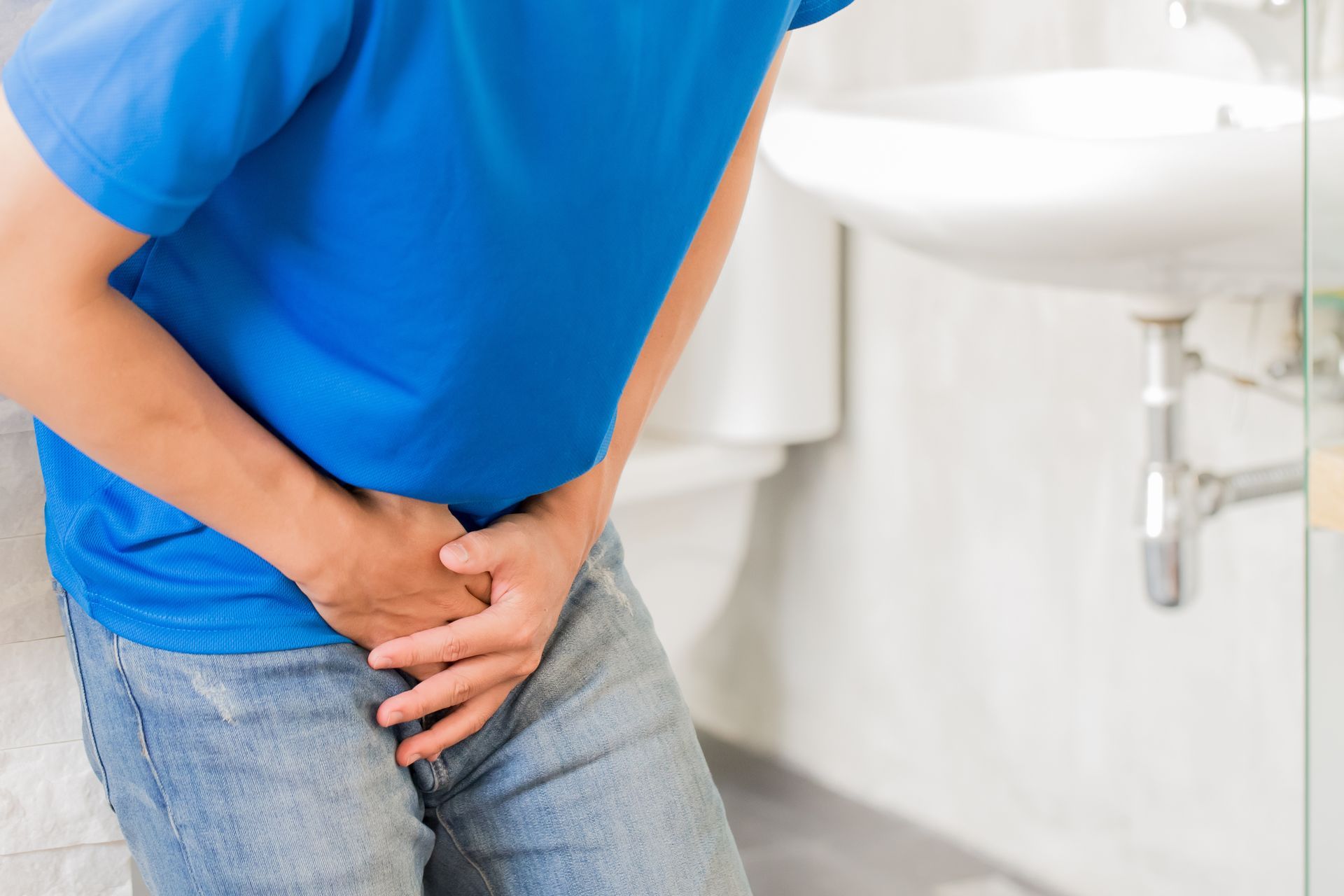
You do not have to keep living with your symptoms. If bladder pain has been affecting your daily routine, now is the time to get the answers and care you need. Contact our team today to schedule your consultation for professional bladder pain treatment. Getting healthy starts with one call.